

Celebrating
30+ Years
- Est. 1995
Many homeowners are surprised to learn that asbestos vinyl flooring was commonly installed in New Zealand homes for decades. If you're planning a renovation, it's important to understand that asbestos in vinyl is not always limited to the flooring surface itself. In many cases, the greatest risk is hidden underneath.
Older vinyl flooring installed before the 1990s, and in some New Zealand homes before 2000, may contain asbestos materials. Whether you're dealing with old sheet vinyl, floor tiles, or what appears to be asbestos lino, professional asbestos testing should always be the first step before any removal work begins.
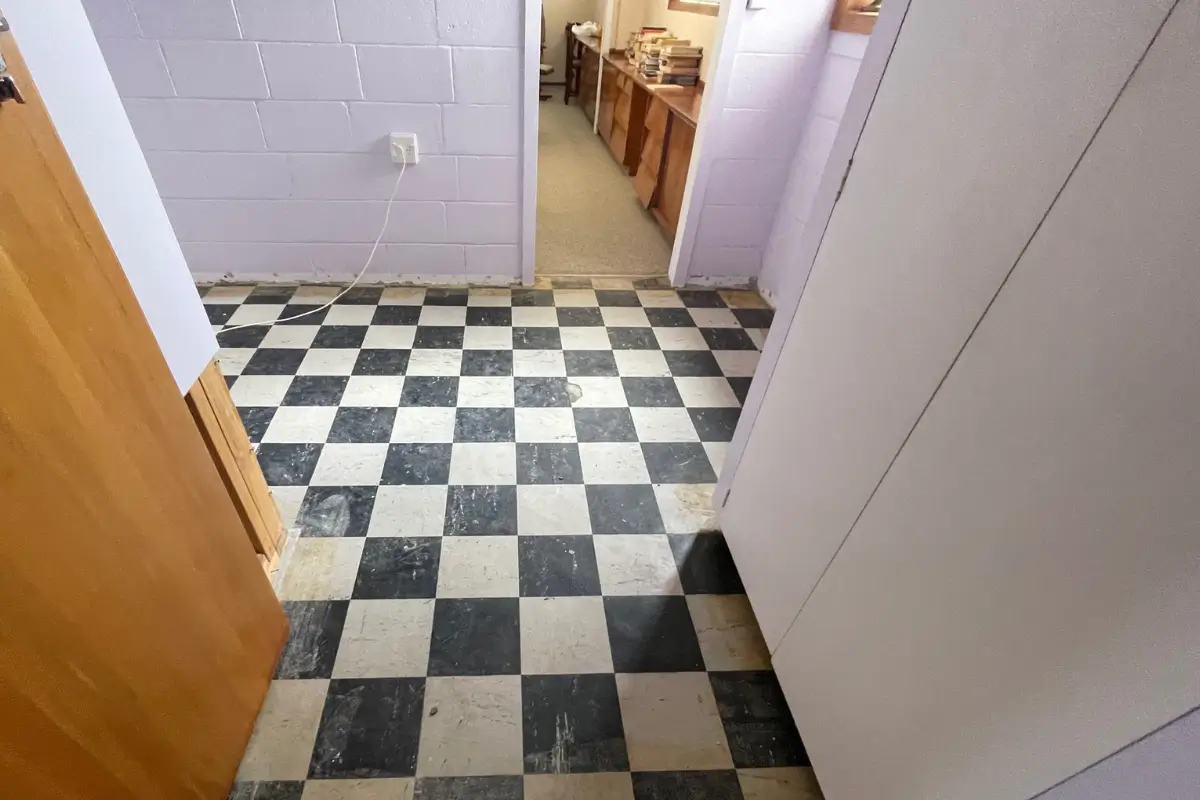
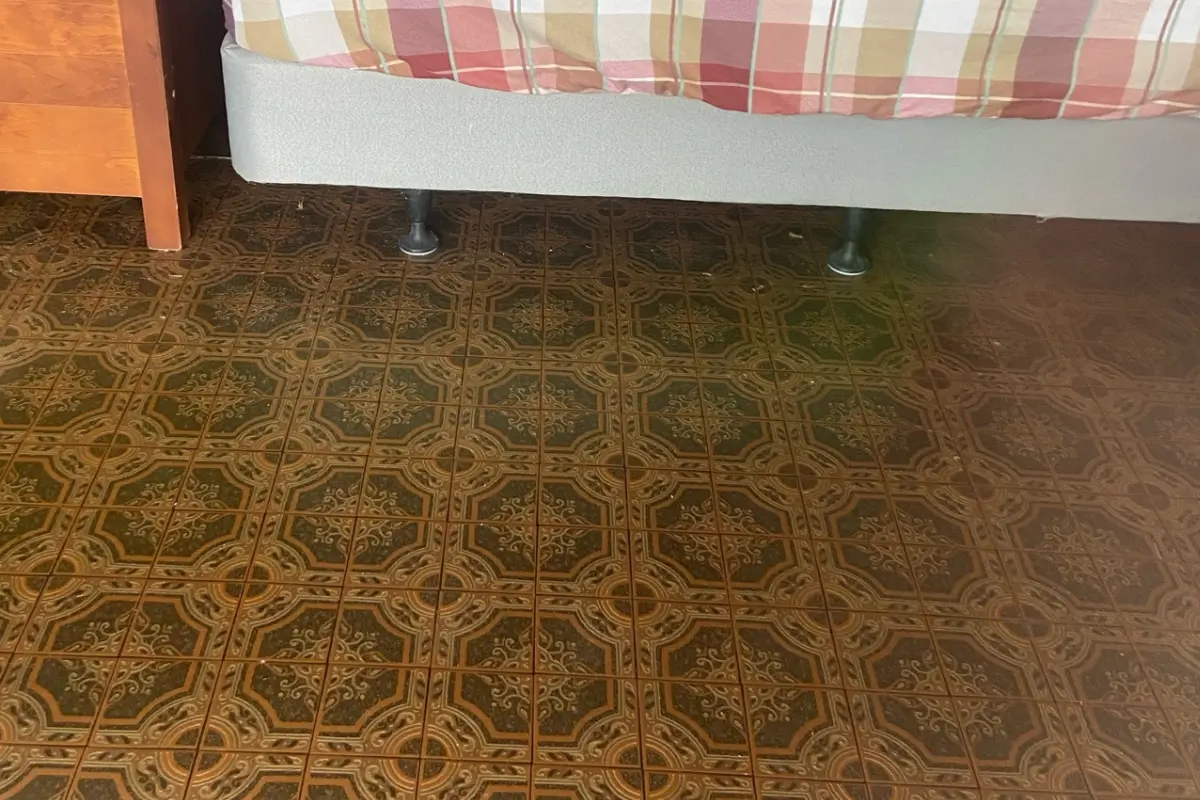
Vinyl flooring became a popular choice because it was durable, affordable, and available in a wide range of colours and styles. Manufacturers often incorporated asbestos into flooring products because of its strength and fire-resistant properties.
Today, many older homes still contain asbestos vinyl flooring. While these materials generally pose a low risk when left undisturbed, problems arise when homeowners or contractors begin renovation work without knowing what lies beneath the surface.
Many people assume that if asbestos is present, it will only be found in the visible flooring itself. Unfortunately, that is often not the case. Older flooring systems can contain asbestos in several different layers, including:
It's also common for homes to have undergone multiple flooring renovations over the years, with new floor coverings installed directly over old ones. As a result, asbestos in vinyl flooring systems can sometimes be hidden beneath several layers of newer materials.
Without professional asbestos testing, there is no reliable way to determine which layers may contain asbestos.
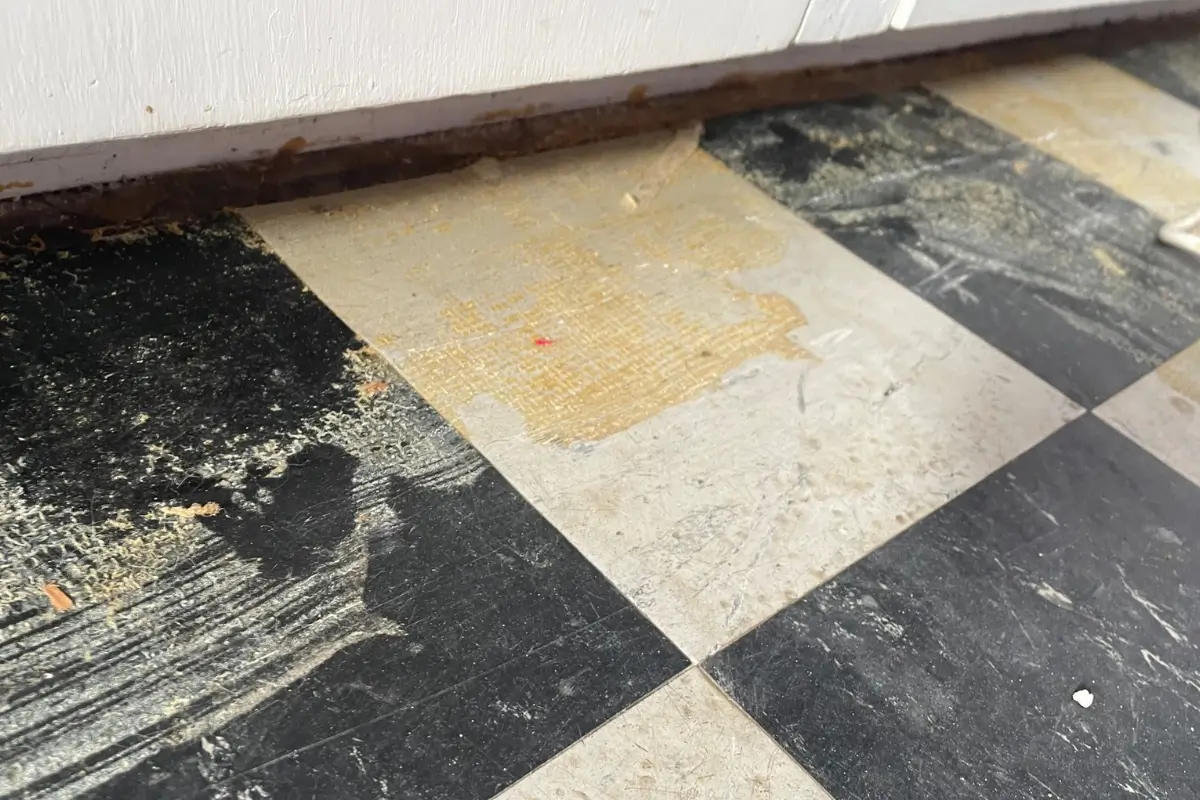
At AR Plus, we are often called in after flooring removal projects have gone wrong.
Homeowners and even flooring contractors can unintentionally spread asbestos contamination by:
What starts as a simple renovation project can quickly result in widespread contamination throughout the property.
Neither asbestos vinyl flooring nor lino with asbestos can be identified simply by looking at it. The age of the home, installation history, and laboratory testing all play an important role in determining whether asbestos is present.
Professional asbestos testing provides certainty before renovation work begins and allows a safe removal plan to be developed if asbestos-containing materials are identified.
We are often called in by flooring contractors who have unknowingly contaminated an entire home during a vinyl flooring removal project. What initially seemed like a straightforward flooring replacement can quickly become a costly and stressful situation.
In severe cases:
The cost of professional testing is often insignificant compared to the cost of remediation after contamination has occurred.
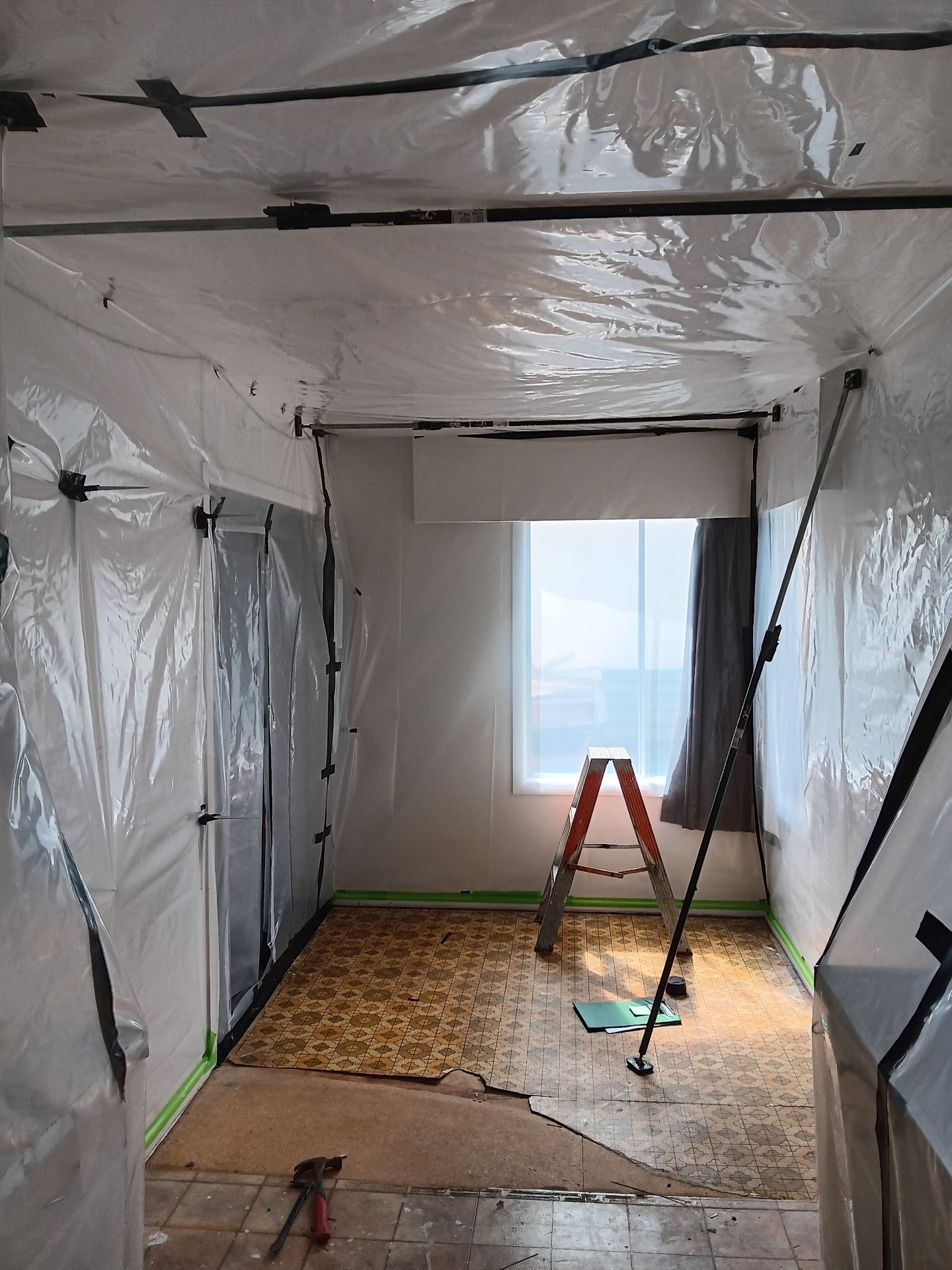
If your home was built or renovated before 2000, never assume old vinyl flooring is safe to remove yourself.
Whether you're dealing with suspected asbestos vinyl flooring, visible asbestos in vinyl, old asbestos lino, or lino with asbestos hidden beneath newer floor coverings, the risks are often concealed beneath the surface.
At AR Plus, we provide professional asbestos testing and licensed removal services to help protect your family, your property, and anyone entering the home afterwards. Before starting your next renovation project, make sure you know what's underneath. A simple asbestos test today could save thousands of dollars tomorrow.


"*" indicates required fields