

Celebrating
30+ Years
- Est. 1995
Several industries have historically faced heightened risks of asbestos exposure due to the prevalent use of asbestos in various applications.
Workers in roles involving construction, maintenance, and repair are particularly susceptible due to the prevalence of asbestos in insulation, flooring, and various building materials. However, the risk of asbestos exposure in occupations involving machinery and equipment manipulation is also historically very high.
Despite increased awareness and regulations, occupational exposure continues to be a concern, emphasising the ongoing need for strict safety measures and asbestos awareness in these at-risk industries.

The construction industry was at the forefront of sectors significantly impacted by asbestos exposure. Asbestos, extensively utilised in insulation, roofing, flooring, and cement products in construction, posed risks before its hazards were comprehensively recognised. Workers engaged in renovations, demolitions, and maintenance activities were particularly at risk, as they often encountered damaged or disturbed asbestos-containing materials.
Today, construction workers are still not out of the woods. As many are hired to renovate older buildings, asbestos exposure is an ongoing risk.
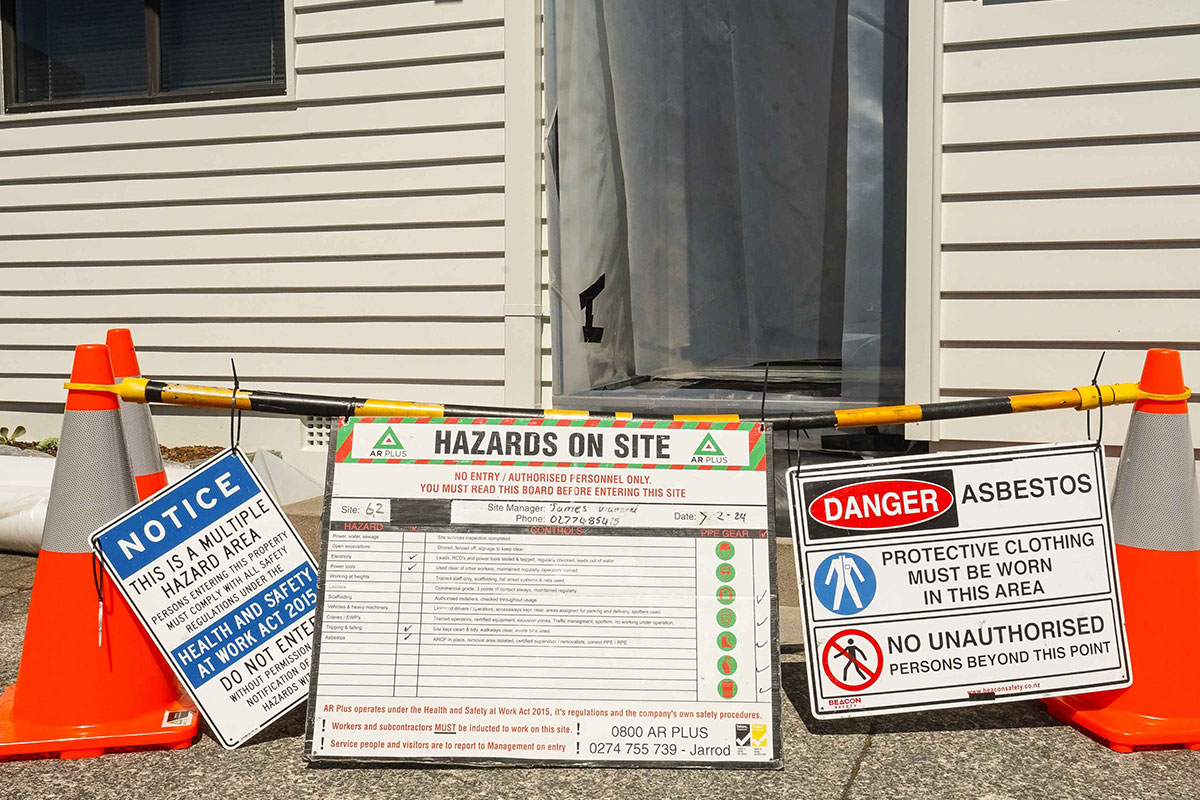
Shipbuilders and maritime workers encountered significant asbestos exposure as the material was widely integrated into ship construction. Components like boiler insulation, pipes, and gaskets frequently contained asbestos, exposing workers to potential health risks.
Despite more stringent regulations in recent times, legacy vessels still present risks for those involved in shipbreaking or repairs.
In the past, asbestos was a prevalent component in power plants and utilities as insulation for boilers, turbines, and electrical components.
Workers in power generation and distribution, along with those engaged in maintenance and repairs, faced potential asbestos exposure risks. The widespread use of asbestos in these facilities heightened exposure of harmful fibres. Although it’s possible for power plants built before the introduction of asbestos regulations still to house asbestos-containing materials, the risk to this industry has been significantly downgraded in recent years due to upgrades in infrastructure.
Asbestos found its way into various automotive components, including brake pads, clutches, and gaskets. Mechanics and auto industry workers, especially those engaged in brake repairs and maintenance, face elevated risks of asbestos exposure.
While the use of asbestos in automotive applications has significantly diminished, old vehicles may still contain asbestos-containing parts. Therefore, safety protocols remain imperative for mechanics involved in automotive repairs.
The mining industry played a pivotal role in exposing workers to asbestos during the extraction of asbestos-containing minerals. Miners and those involved in processing asbestos were at the forefront of occupational risks. Even today, mining activities in regions with asbestos deposits pose ongoing threats.
Despite the heightened awareness, mining activities in regions with asbestos deposits continue to pose ongoing threats. In these areas, workers may still be at risk of encountering asbestos-containing minerals.
Do you suspect asbestos in the workplace? Call AR Plus to have your site assessed. We’ll conduct thorough testing and let you know if your building needs asbestos removal. Our team of highly trained experts offer end-to-end removal and restoration services, ensuring your building is a safe place to work.
Asbestos was commonly used in various industries for its fire-resistant and insulating properties.
In many countries, the use of asbestos is highly regulated or prohibited. However, it may still be present in older buildings and certain materials.
Industries such as construction, shipbuilding, automotive repair, and mining historically used asbestos, putting workers in these sectors at higher risk.
Exposure can occur during the demolition, renovation, or maintenance of buildings with asbestos-containing materials.
Regular asbestos assessments and surveys can identify potential sources. Proper management involves containment, encapsulation, or removal by certified professionals.
Yes, New Zealand has strict regulations regarding asbestos use, removal, and worker protection. Employers must comply with these regulations to ensure a safe workplace.
Asbestos removal should only be handled by licensed professionals who use appropriate personal protective equipment (PPE), follow safety procedures, and undergo training on handling asbestos-containing materials.

Call AR Plus to have your site assessed. We’ll conduct thorough testing and let you know if your building needs asbestos removal. Our team of highly trained experts offer end-to-end removal and restoration services, ensuring your building is a safe place to work.


"*" indicates required fields